Retail execution
POSM, POP Displays & Retail Branding
Explore finished Quickprint retail displays—from countertop units and illuminated glorifiers to floor displays and mixed-material fixtures.
POP & POSM portfolio
See the work.
18 Quickprint project views.
All projects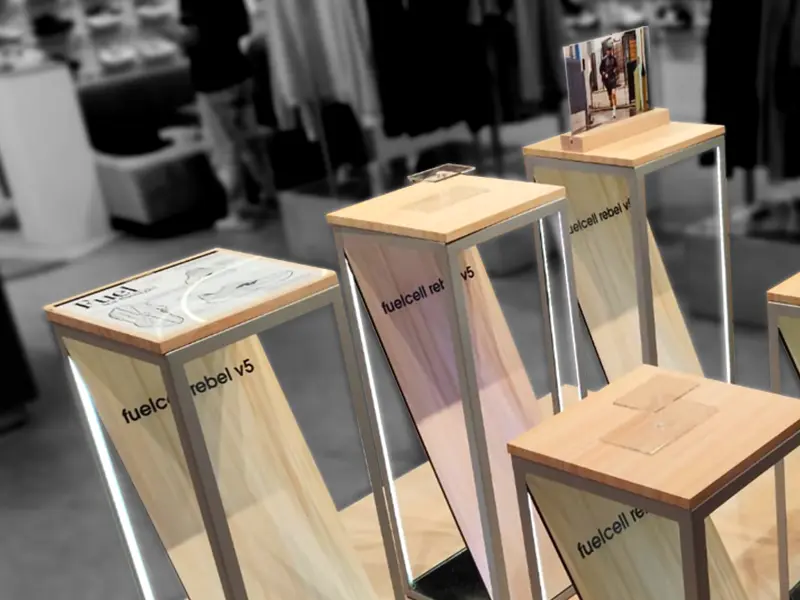 01
01Mixed-material display
New Balance
 02
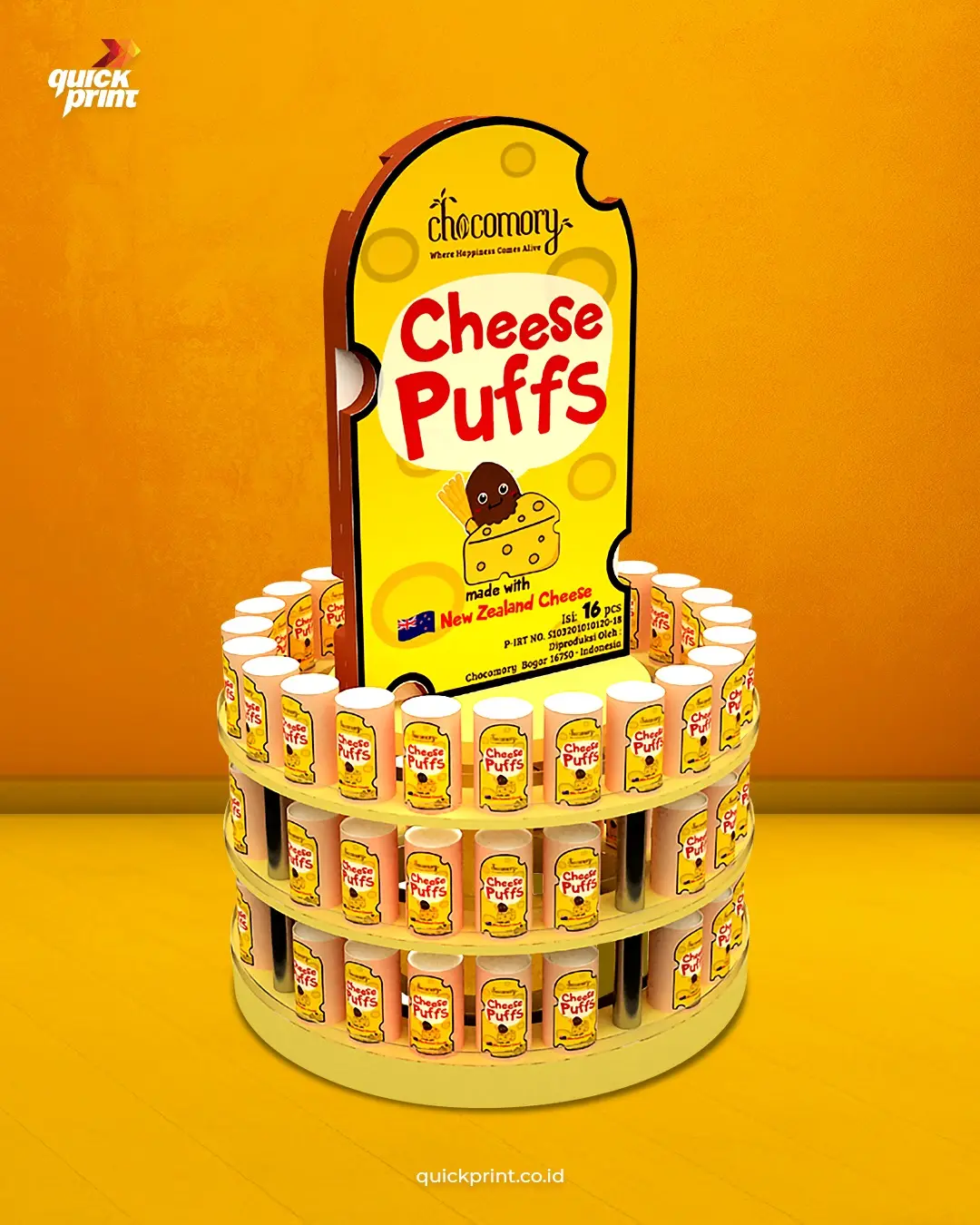
02Custom product display
Chocomory Cheese Puffs
 03
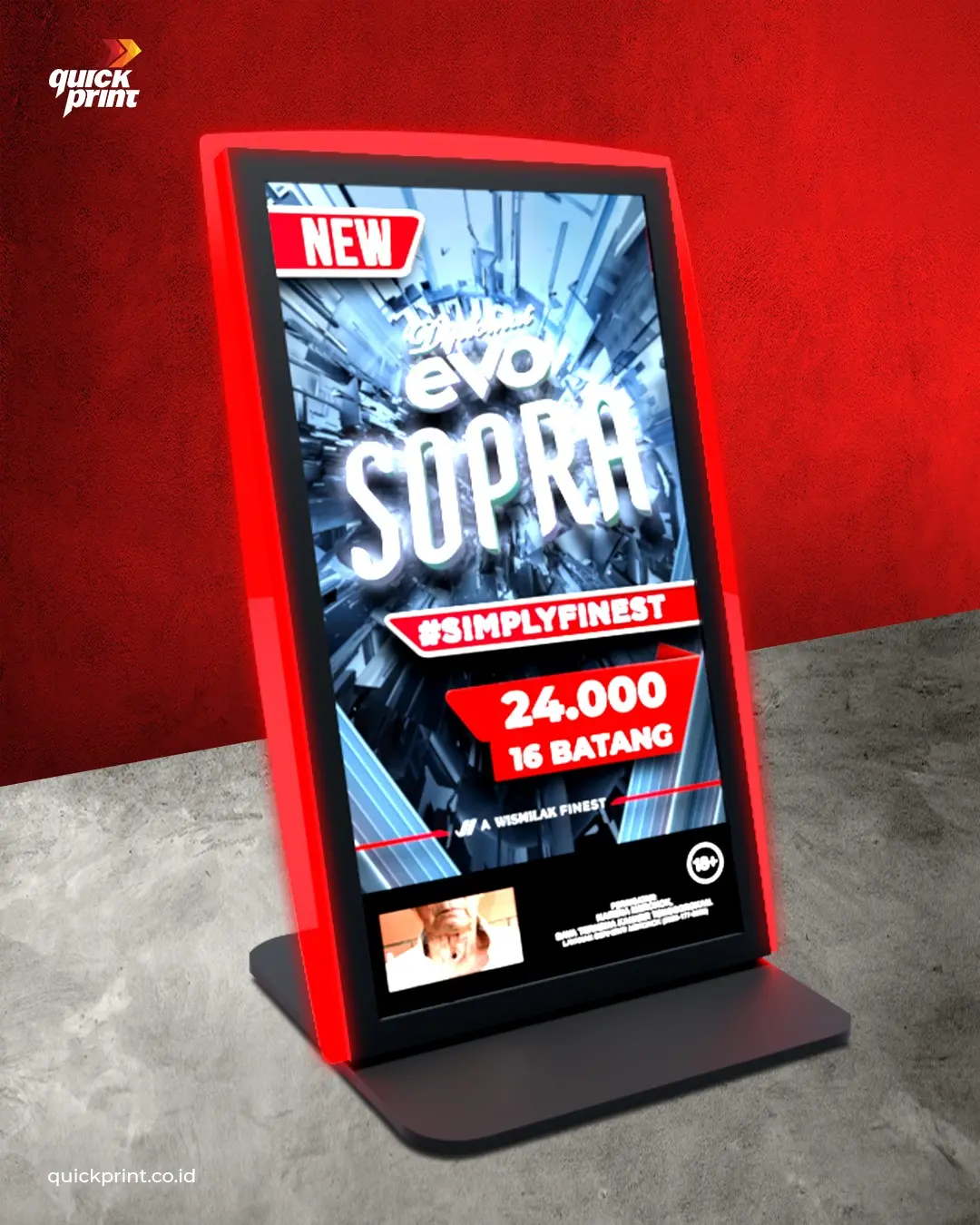
03Illuminated floor display
EVO Sopra
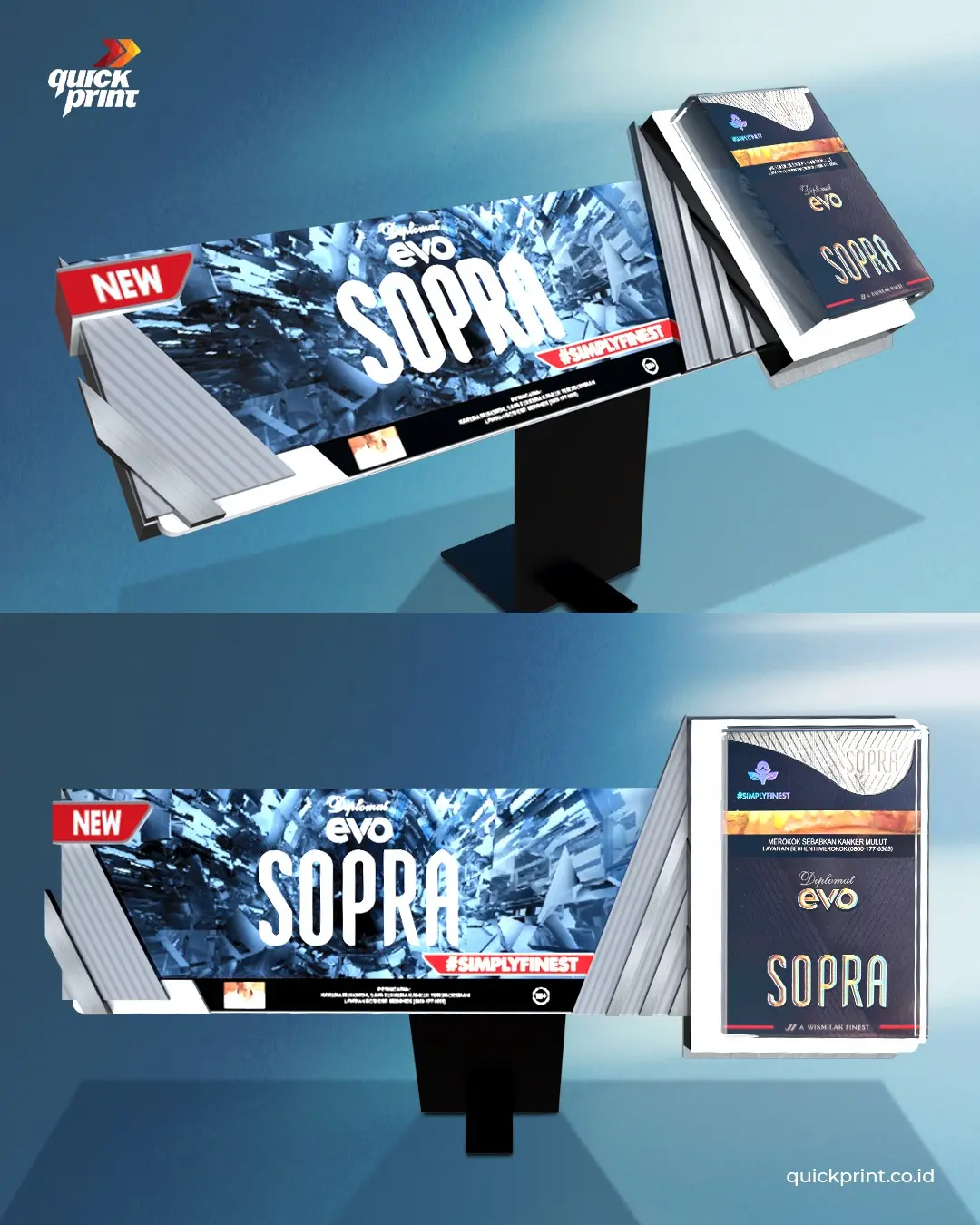 04
04Illuminated counter display
EVO Sopra Acrylic LED
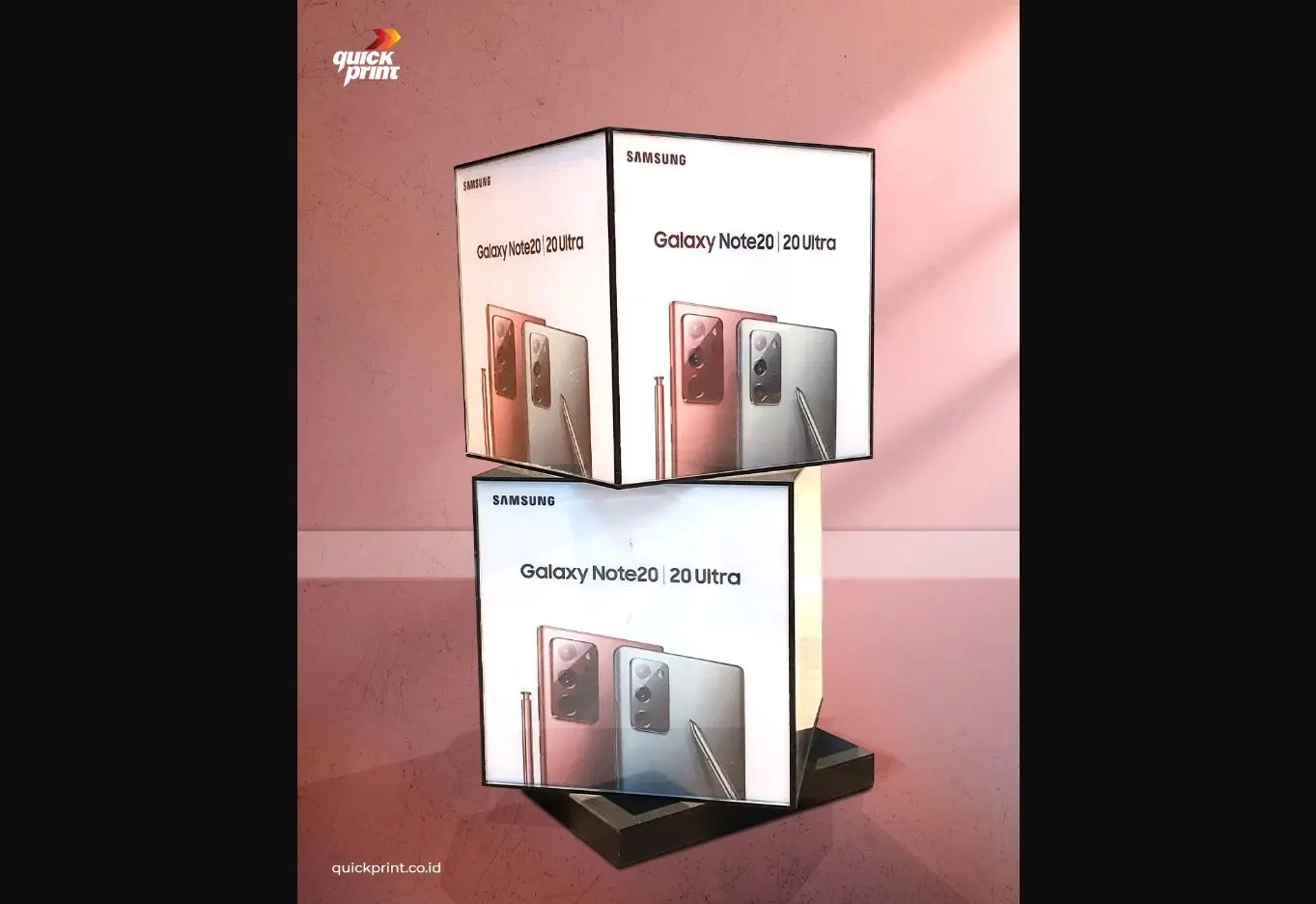 05
05Multi-sided backlit display
Samsung Galaxy Note20
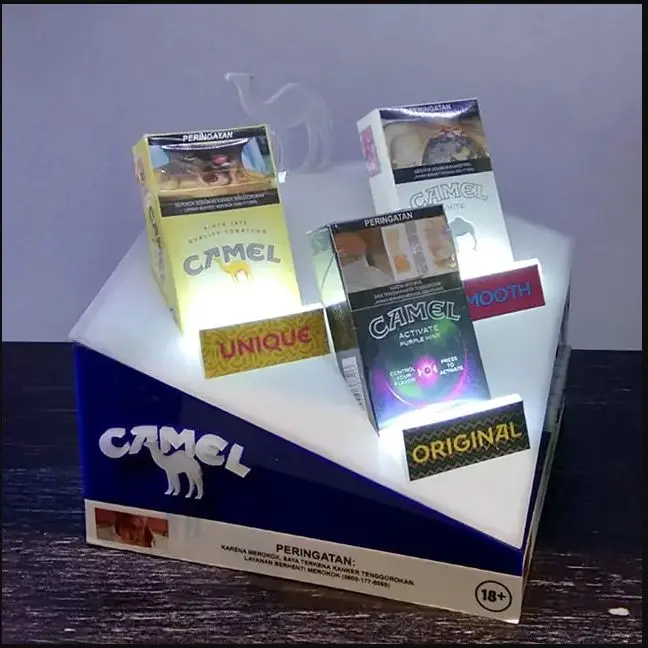 06
06Tabletop product display
Camel
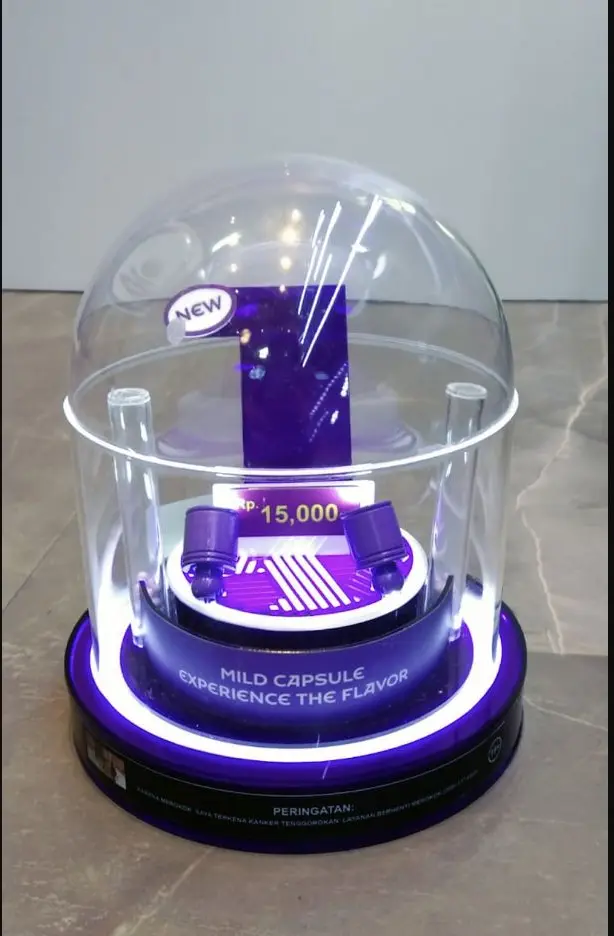 07
07Illuminated tabletop display
Illuminated dome glorifier
 08
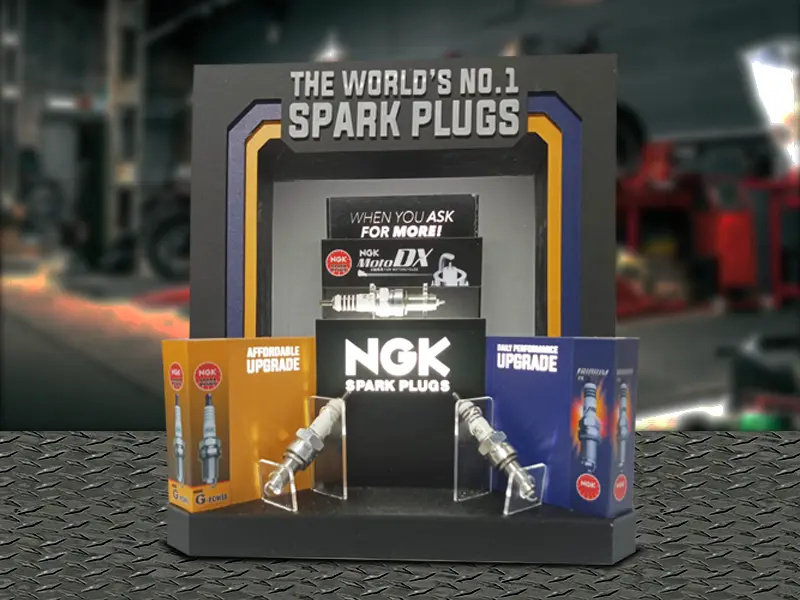
08Tabletop LED display
NGK Spark Plug
 09
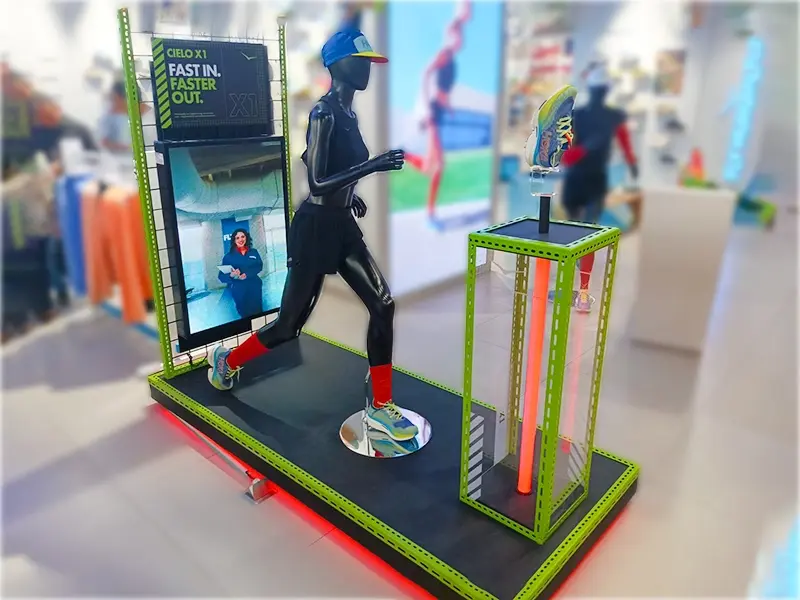
09Retail display platform
HOKA
 10
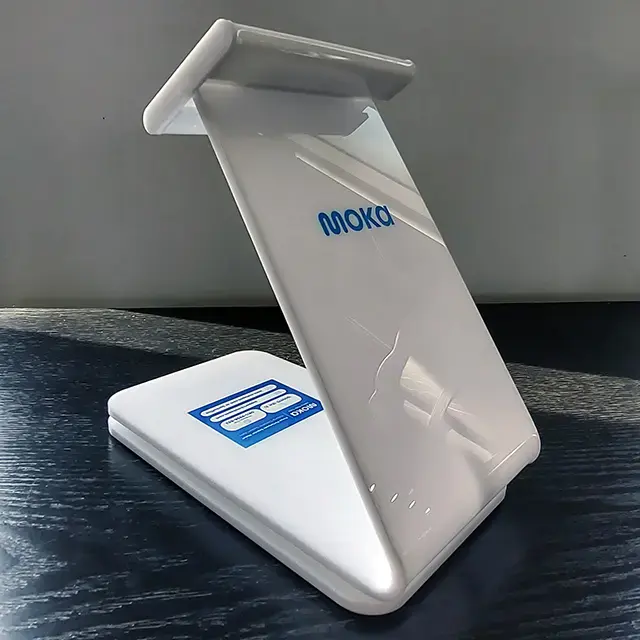
10Custom tabletop display
Moka
 11
11Human-scale POP
Character standee
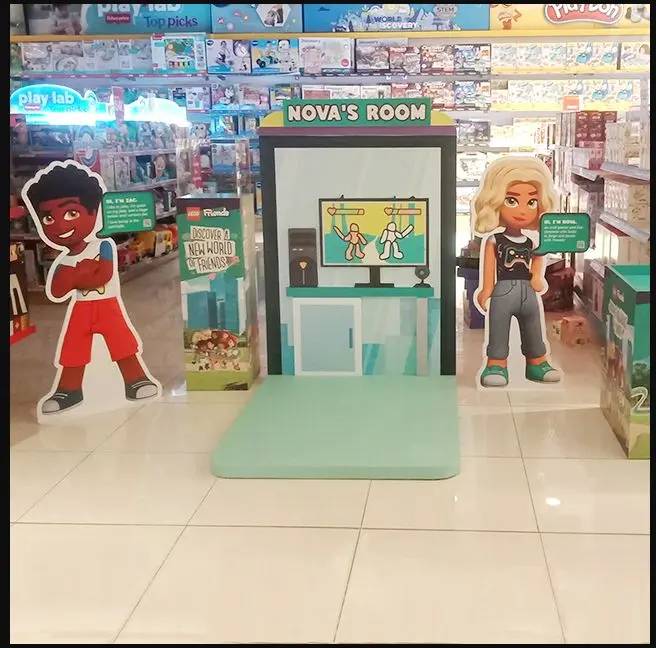 12
12Retail display zone
LEGO Friends
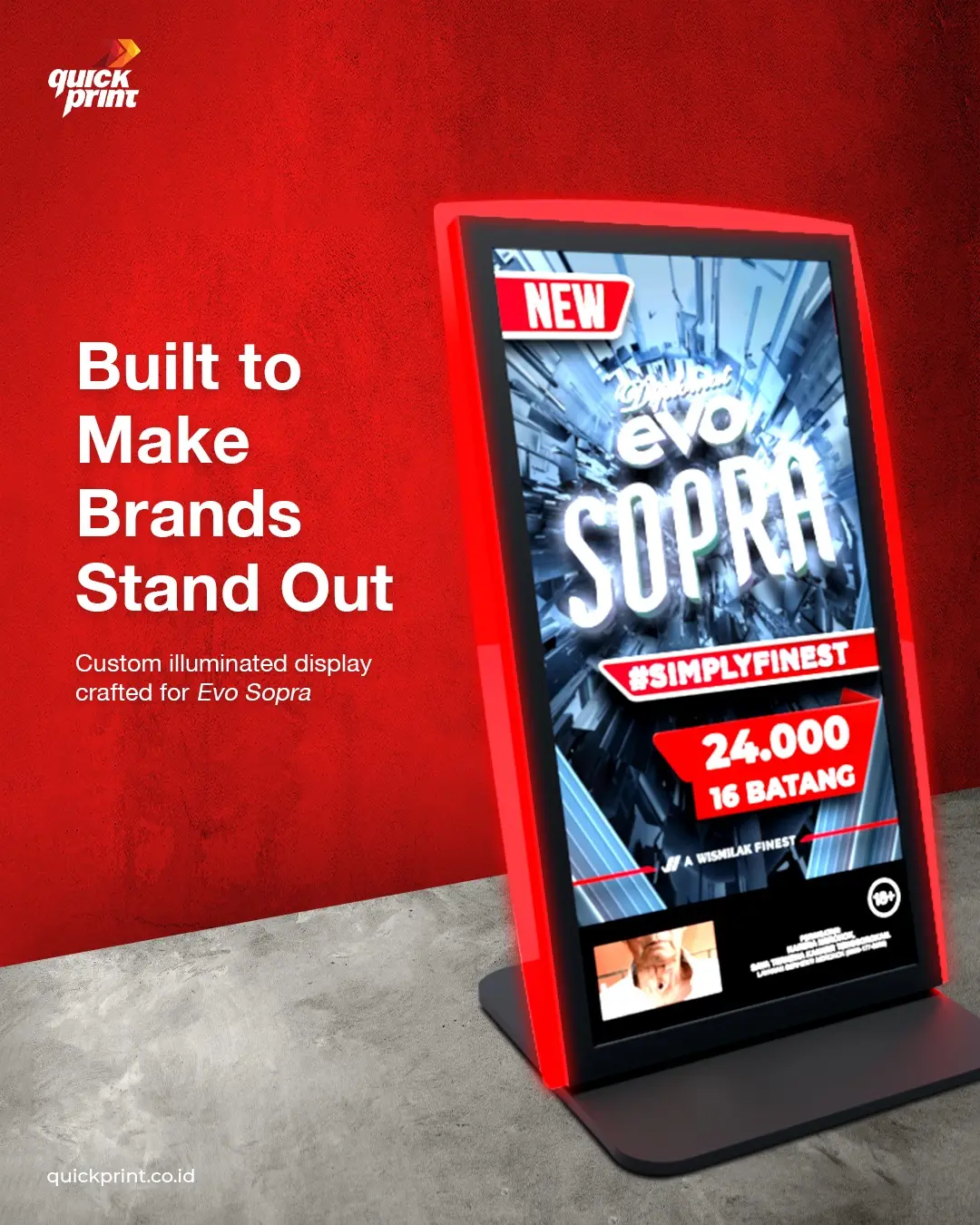 13
13Floor display — product view
EVO Sopra
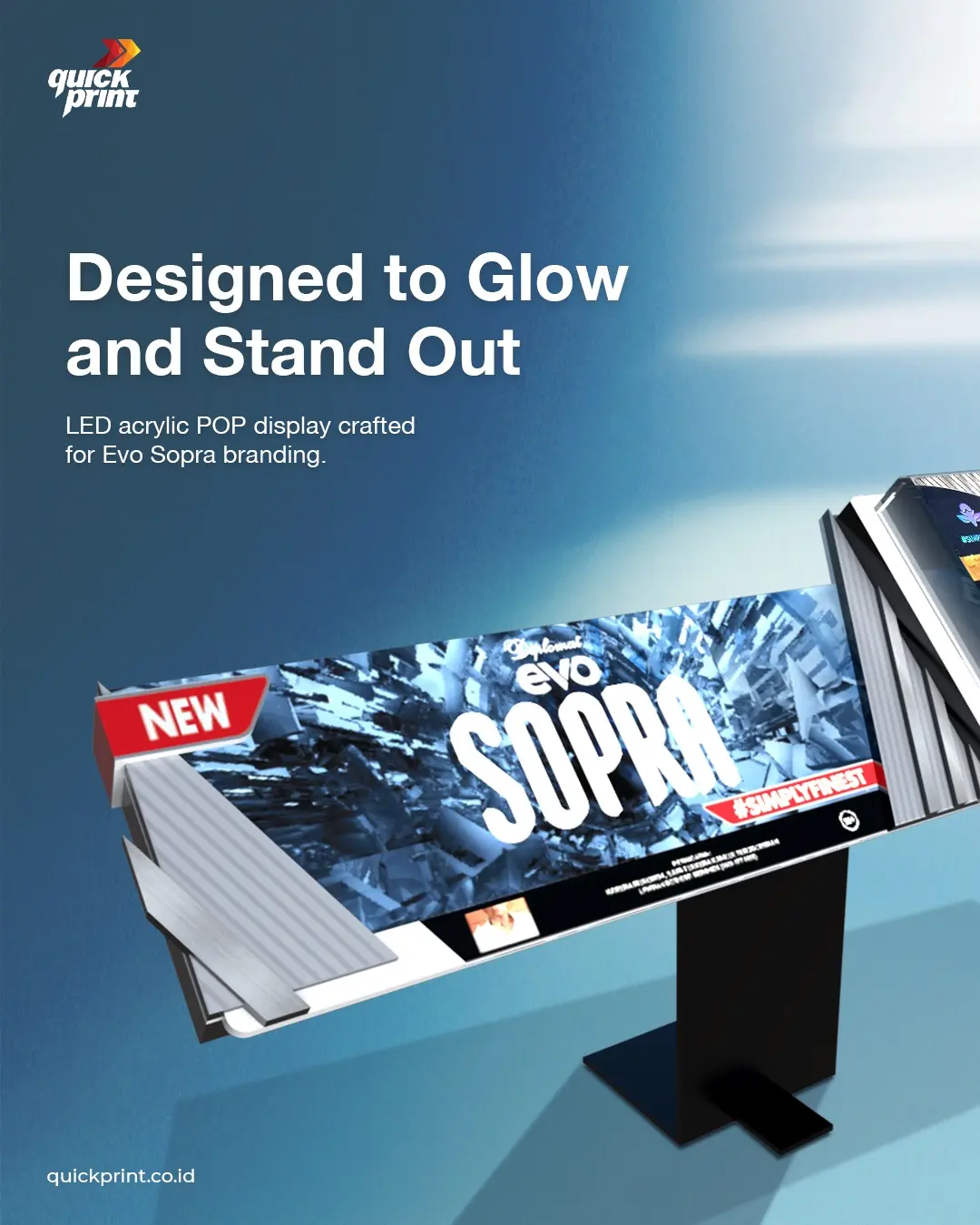 14
14Acrylic LED display — close view
EVO Sopra Acrylic LED
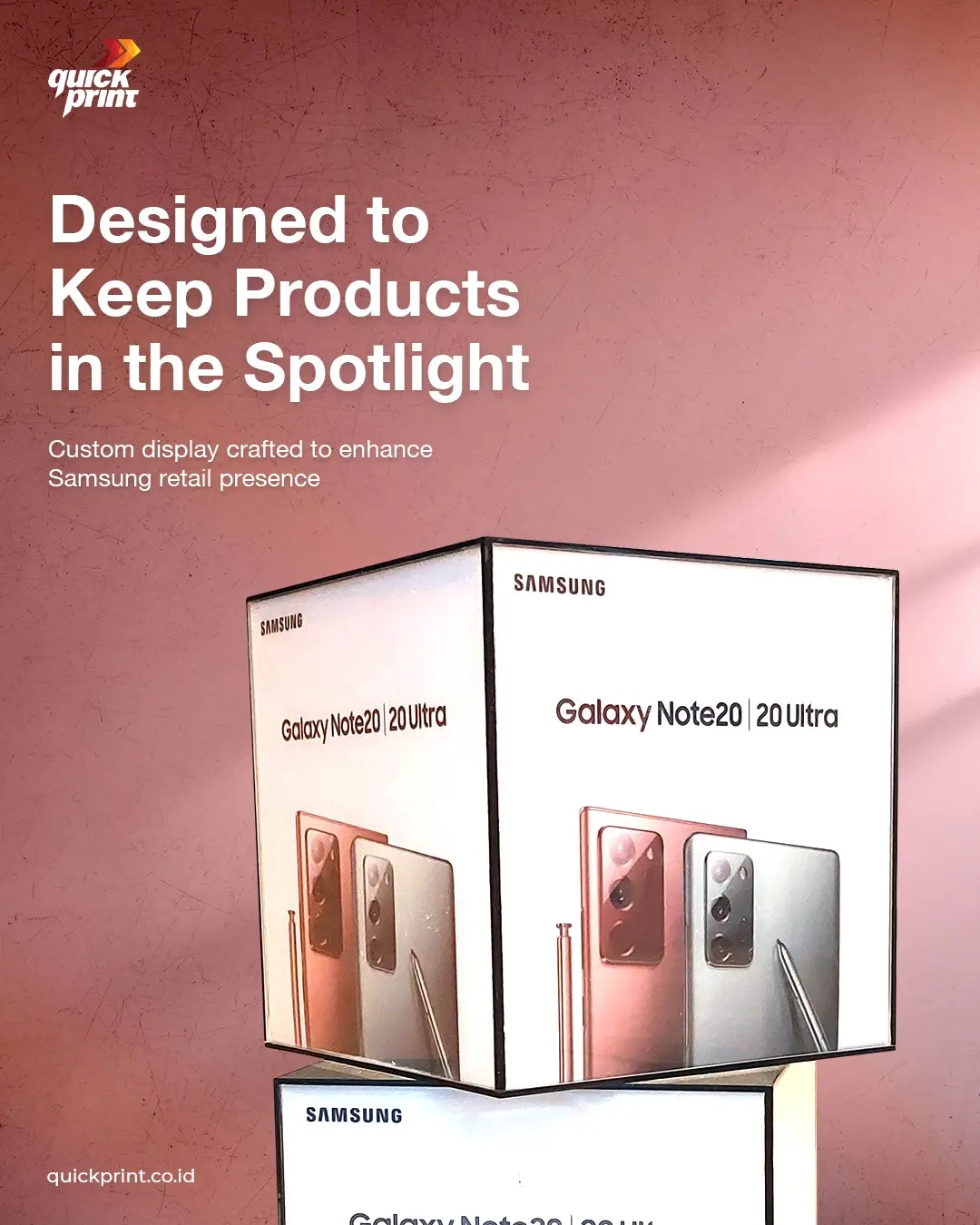 15
15Backlit display — front view
Samsung Galaxy Note20
 16
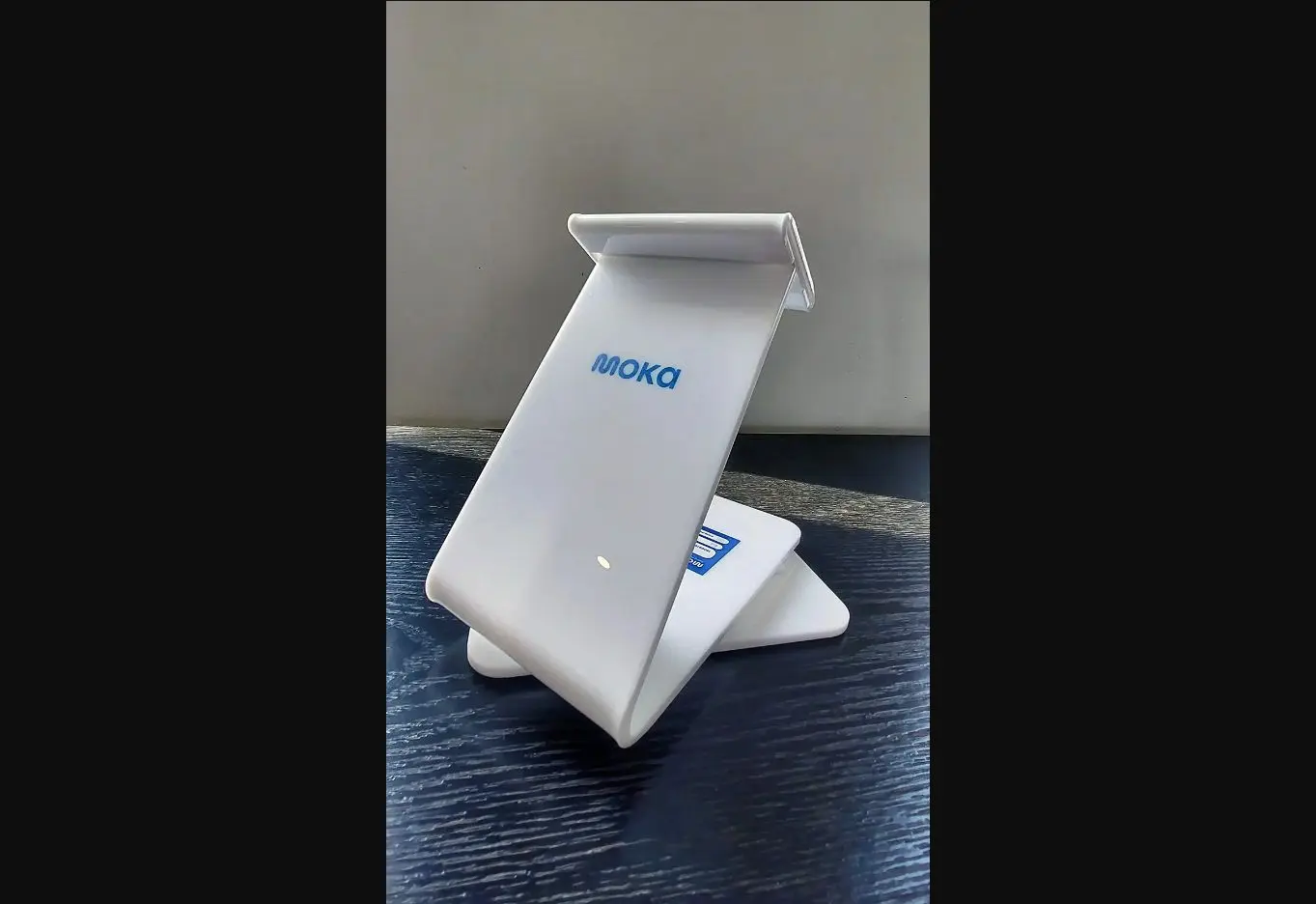
16Tabletop display — product view
Moka
 17
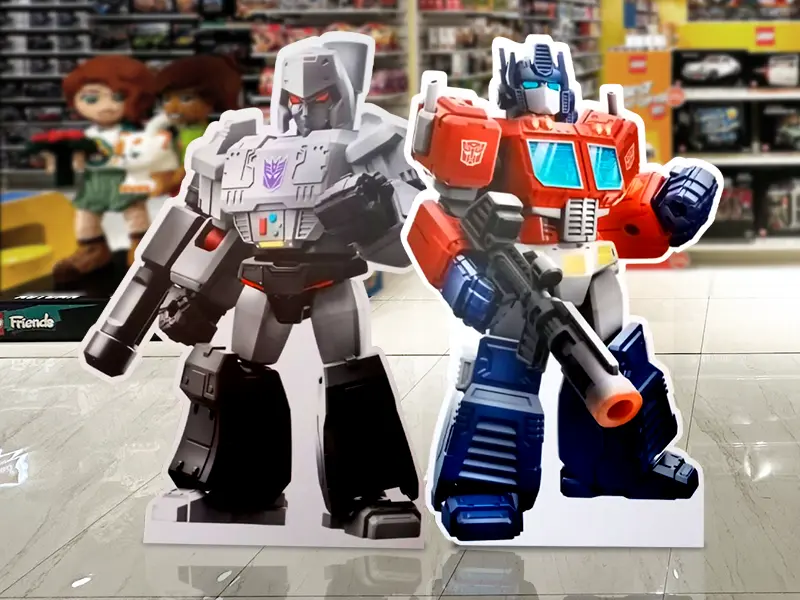
17Human-scale character standee
Transformers Optimus Prime
 18
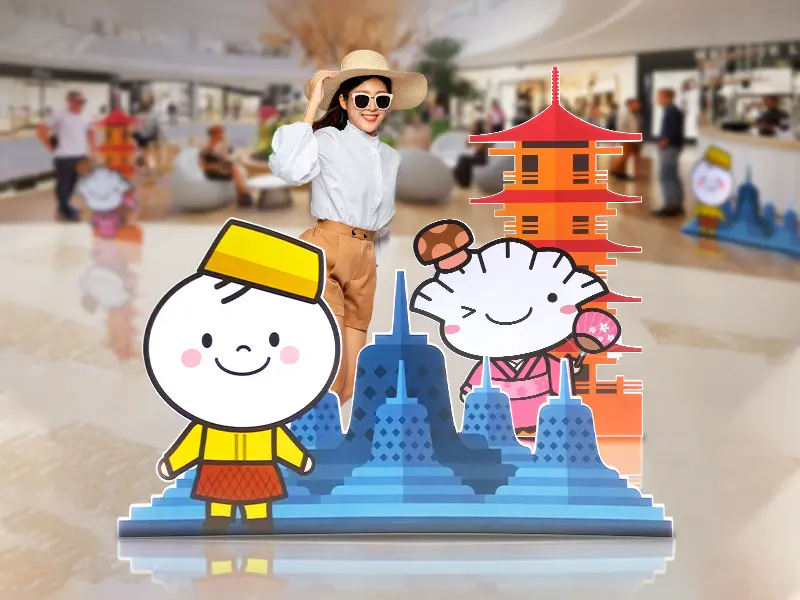
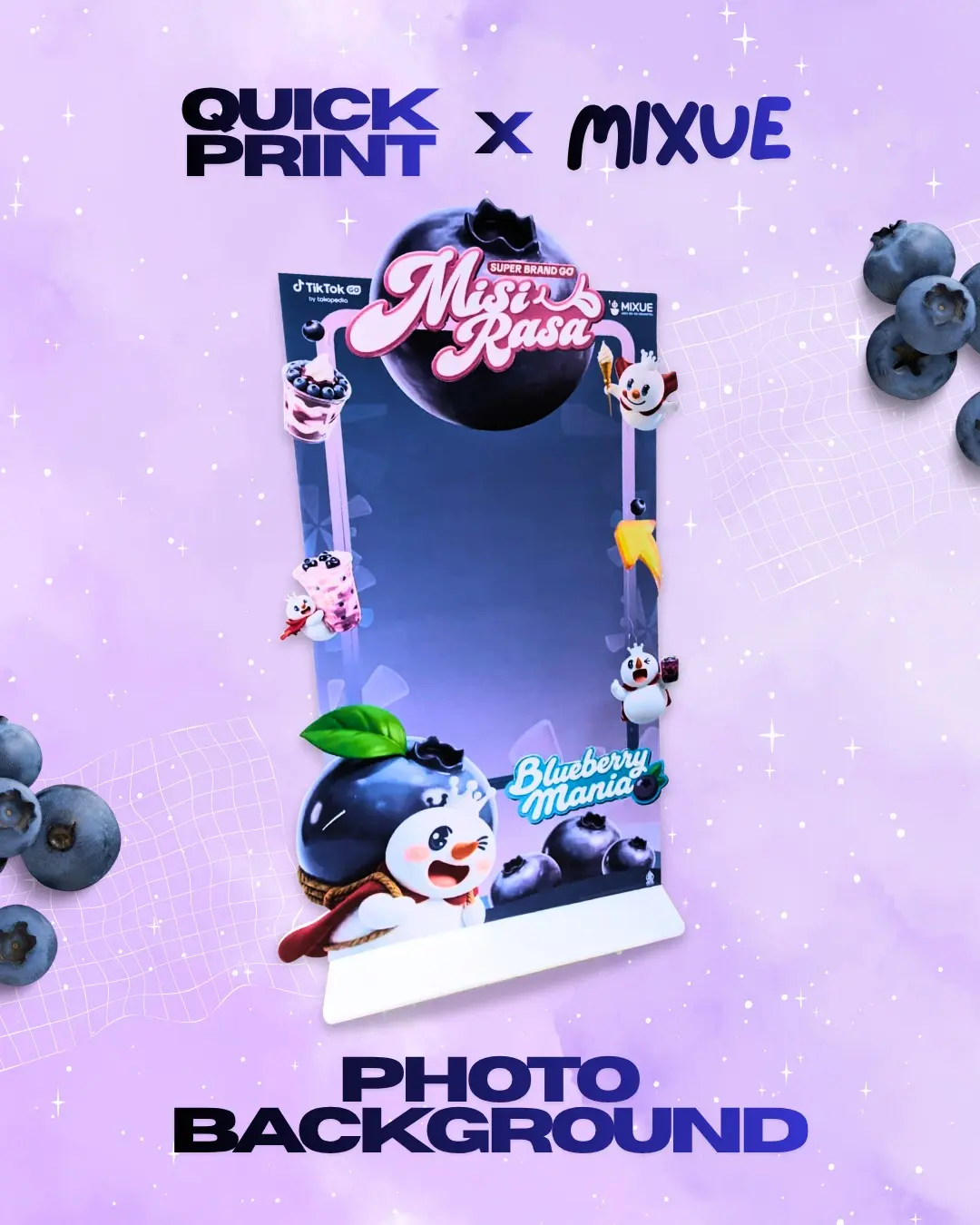
18Interactive photo backdrop
Mixue Blueberry Campaign
Confirmed retail proof
MAP Retail Campaigns
Operating scope confirmed by Quickprint management. Individual campaign quantities vary by brief.
What we can deliver
From prototype to installation.
- Floor and counter displays
- Product glorifiers and launch displays
- Window, wall and floor graphics
- Acrylic, wood, metal and mixed-material displays
- Campaign kits and location-coded packing
- Distribution and installation to the agreed coverage
Featured case studies
More retail work.
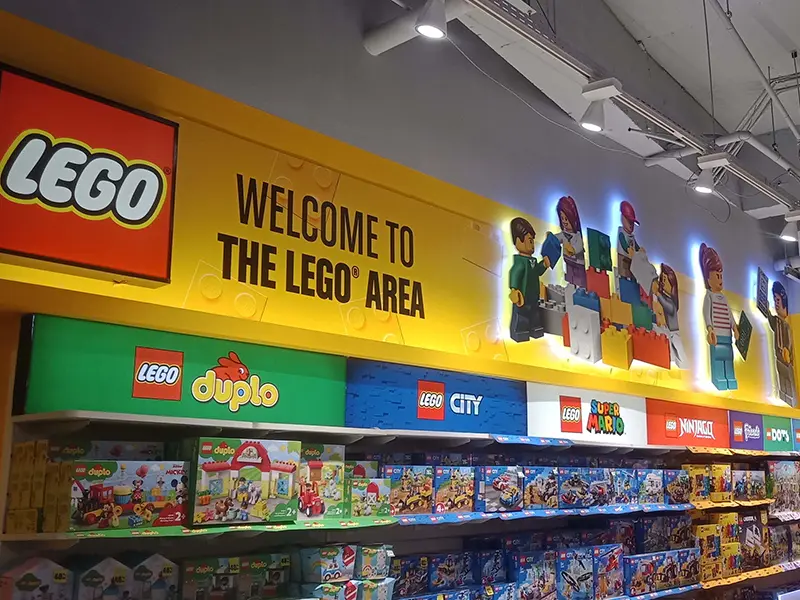
Nationwide retail production
MAP Retail Campaigns
View case study ↗Custom retail POSM
New Balance
View case study ↗Retail branding
Kidz Station
View case study ↗Custom retail POP display
Chocomory Cheese Puffs Retail Display
View case study ↗Illuminated retail display
EVO Sopra Illuminated POP Display
View case study ↗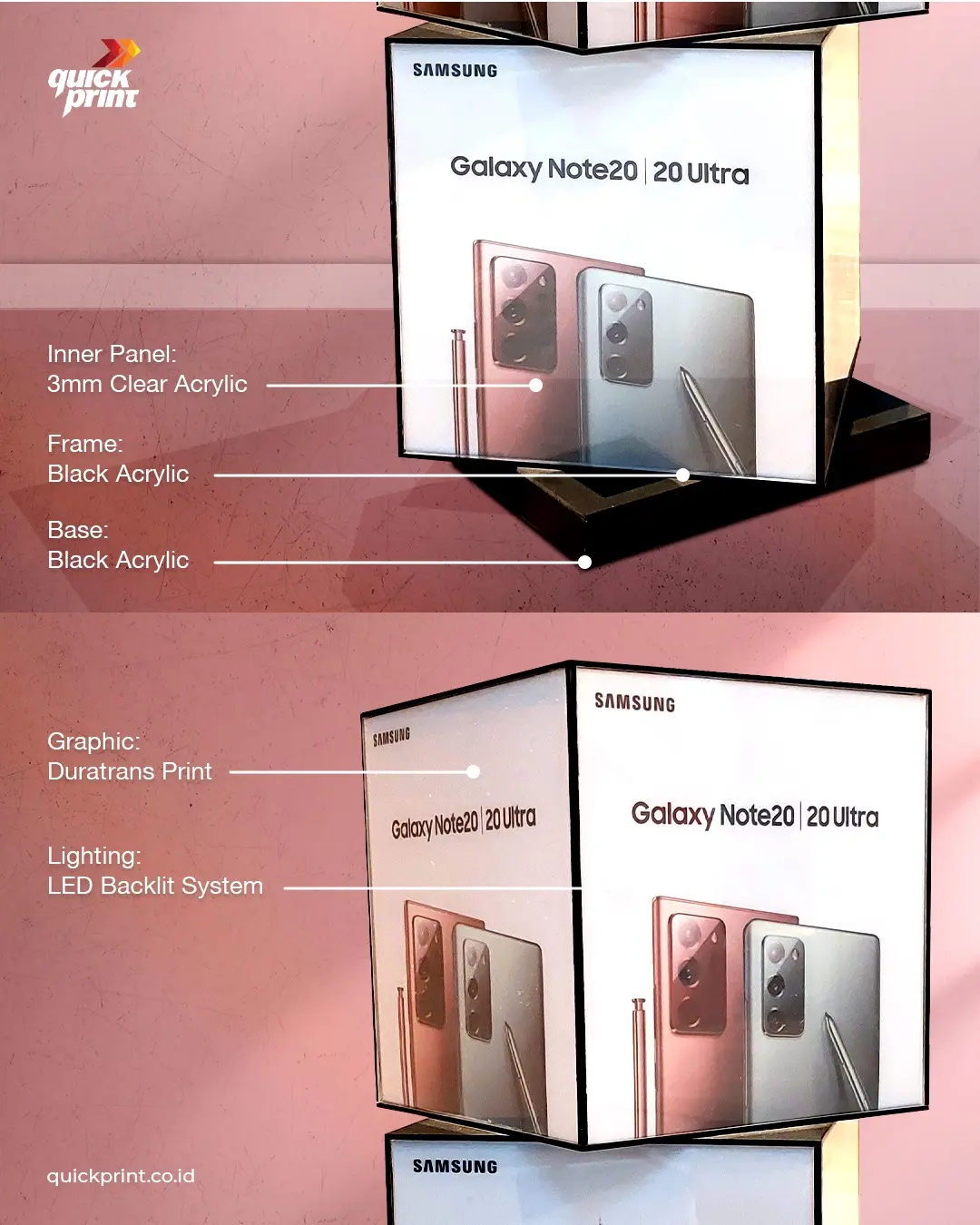
Technical retail POP display
Samsung Illuminated Retail Display
View case study ↗Technical information
Need material and process details?
Open guide +
Technical information
Need material and process details?
Choose the format by the job it needs to do in store.
- Counter displays
Compact displays for checkout, counter or product-table areas, keeping the product and campaign message close to the point of decision.
- Floor-standing displays
Freestanding units that build campaign visibility or group products without relying on an existing store fixture.
- Product glorifiers & launch displays
Product-led displays that focus attention on a hero product, key feature or launch moment.
- Window, wall & floor graphics
Campaign graphics that use existing store surfaces to extend visibility and maintain consistent communication.
- Custom mixed-material displays
Combinations of acrylic, wood, metal and printed elements for more specific forms, structures or finishes.
- Longer-term retail fixtures
Display elements intended for longer use, with durability, maintenance and store integration considered from the start.
Choose material by function, not appearance alone.
- Corrugated board & paper-based construction
Best for short-term indoor campaigns and distribution where low weight is a priority.
- PVC board & foamboard
Best for lightweight indoor displays, graphic panels and forms requiring precise cutting.
- Acrylic
Best for clean, premium display details and product-led presentation.
- Wood-based construction
Best for displays requiring a more solid body and longer presentation life.
- Metal & mixed-material construction
Best for support structures or custom displays requiring a combination of strength and finish.
Clear inputs make quotations easier to compare.
- Display function
Campaign objective, display position, product being presented and intended customer interaction.
- Dimensions & quantity
Dimensions, quantity by design, quantity by location and required dimensional tolerances.
- Duration & environment
Use period, indoor or outdoor conditions, moisture, light exposure and handling frequency.
- Material & finish
Primary material, print method, colour, texture, coating, hardware and approval reference.
- Prototype & approval
Sample quantity, approving party, inspection criteria and revision allowance.
- Packing & distribution
Packing method, location labels, delivery addresses, dispatch sequence and consolidation needs.
- Installation scope
Locations, access, working hours, permits, surfaces, removal requirements and documentation.
- Schedule & handover
Final-artwork, sample approval, production, delivery, installation and campaign-opening dates.
A more useful brief
Prepare an initial brief in a few minutes.
The information does not need to be perfect. These inputs help Quickprint respond more accurately.
Send POSM brief on WhatsApp- 01Campaign objective and display type
- 02Product dimensions and weight
- 03Artwork, sketch or visual reference
- 04Estimated dimensions and quantity
- 05Intended use period
- 06Location list and installation scope
- 07Approval, delivery and installation targets
- 08Budget range, if available
Before we start
Practical questions
Does the design need to be production-ready?+
Not always. With a reasonably clear concept, artwork, sketch or visual reference, Quickprint can help develop the production specification. The development scope should be agreed at the start.
Is there one standard material for every POSM project?+
No. Recommendations are based on duration, environment, product load, handling, visual quality, distribution method, installation and budget.
Can a prototype be made before scale production?+
Yes. A prototype or approval sample can be included in the scope to check dimensions, structure, colour, finish, function and assembly before production scales.
Can one display combine several materials?+
Yes. Acrylic, wood, metal, board materials and printed elements can be combined when they support the function and presentation. Structure, joints, weight, packing and installation still need to be assessed together.
Can a multi-location project be managed under one scope?+
Yes. The scope can include production, location-coded packing, distribution, installation and completion documentation. Location coverage and each party’s responsibilities must be defined in the quotation.
What are the minimum quantity and production lead time?+
Both depend on the design, material, prototype, quantity, production capacity, distribution scope, installation and approval date. A realistic quantity and schedule can be confirmed after the initial scope review.
What is needed for an initial quotation?+
Share the intended application, design reference, dimensions, quantity, locations, target date, packing, distribution and installation needs, plus a budget range if available. Any open assumptions should be stated clearly in the quotation.
Ready to start?
Make the next campaign easier to execute.
Share the scope, sites and target date. We’ll help shape the production route and next steps.
Start on WhatsApp